

How to Use fruit fly glue trap to Control Fungus Gnats?


Author
More Industry Knowledge from Huizhou Senping Technology Co.,Limited
As Senping's in-house technical specialist, with close to twenty years of hands-on experience in industrial adhesive products. She knows well for adhesive butyl tapes, foam tapes, and pest-control glue traps,etc – from compound formulation to on-site application quirks. Over the past few years, she’s also dug deep into energy-saving infrared ceramic panels, working alongside installers to understand real-world performance, not just lab data. She’s the one who tests new batches on actual substrates, troubleshoots tricky bonds, and answers the questions that don’t show up on a data sheet. Should you have any questions, Sophia’s the person to ask. She doesn’t read from a script – she’s been on site, seen what fails, and knows what lasts. Drop her a line anytime; she actually enjoys the tricky ones.
Sophia


How to Use fruit fly glue trap to Control Fungus Gnats?If you grow houseplants, you've probably had that moment: you water a plant and suddenly a tiny black fly buzzes up from the soil. Fungus gnats. They're not harmful to you, but they're annoying, and in large numbers they can stress your plants.
The good news? Those yellow or blue sticky traps you see at garden centers—the same ones sold for fruit flies—work on fungus gnats too. Here's how to actually use them.
Choose the right color
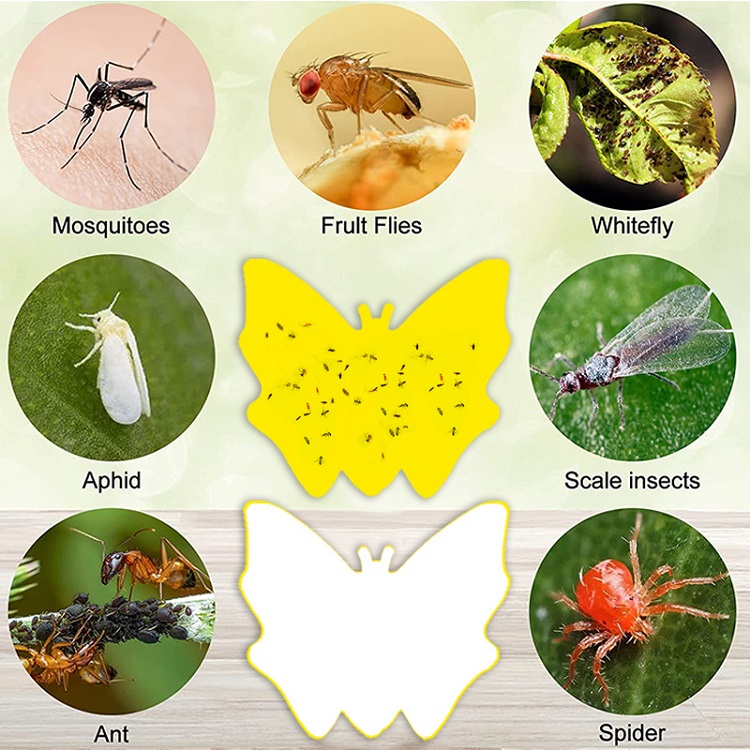
Yellow is your best bet for fungus gnats. Research consistently shows yellow sticky traps are the most effective for monitoring and catching adult fungus gnats. Blue traps are better for thrips, so unless you're dealing with those too, stick with yellow.
Where to place them
Placement matters more than you might think. Put traps at or just above plant height—that's where most of the flying activity happens. But here's a trick: fungus gnats also fly close to the soil surface. Traps placed just above the soil catch them too.
Most fruit fly glue trap come with stakes you push into the potting mix. For hanging traps, use the twist ties included. Either way, keep them close to the plants. One trap per pot is usually enough for small houseplants.
How to set them up
It takes about thirty seconds. Peel off the protective film on both sides. If there's a pointed bottom, push it directly into the soil. If it has a hole at the top, thread the wire through and hang it. That's it.
Some people put traps in the fridge for a few minutes before peeling—it makes the glue less sticky to handle. Not necessary, but it helps if you're clumsy like me.
When to replace them
Replace fruit fly glue trap when they're covered with insects, or roughly every one to three months. If you're tracking an infestation, swap them out more often—every few days—to see if numbers are dropping. Once the surface is full, it stops catching new ones.
A few things to keep in mind
Sticky traps only catch the adults. They don't touch the larvae living in your soil. So while traps reduce the flying population and break the breeding cycle, you still need to address the root cause: overwatering.
Let the top inch or two of soil dry out between waterings. Fungus gnats love damp soil. Dry it out and you take away their nursery. Bottom-watering also helps—roots get moisture while the surface stays dry.
Traps are non-toxic and safe around kids and pets. Just keep them away from plant leaves so the glue doesn't damage them.
Bottom line
Fruit fly glue trap are cheap, easy, and they work. They won't solve a gnat problem by themselves, but combined with smarter watering, they'll knock the population down fast. Peel, stick, wait, replace. Simple as that.
- Use of Yellow Sticky Trap: What I Wish I'd Known Before Wasting Money on Sprays
- Glue Board Refill for Mosquito Lamps Universal Fit
- The Benefits of Using an Insect Trap Glue Board Over High-Voltage Zappers
- Why You Should Combine Yellow Sticky Tape Roll and Blue Sticky Tape Roll?
- Maintaining Food Safety Standards with replacement glue board for insect light
- The Home Gardener’s Guide to thrips yellow sticky traps